No I Just Can’t Brush It Out
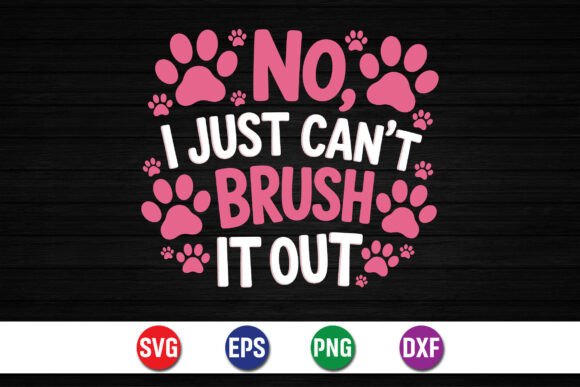
As a designer and embroidery product reviewer, I’ve seen my fair share of clever, niche designs. But “No I Just Can’t Brush It Out” stands out for its humor, relatability, and clear target audience. It’s the kind of design that makes you laugh and nod in agreement—especially if you’ve ever dealt with a matted dog coat or a stubborn pet fur situation. This is more than just a funny phrase; it’s a statement that resonates deeply with professionals in the pet grooming and styling world.
The First Impression: A Design That Speaks Volumes
From the moment I saw “No I Just Can’t Brush It Out,” I recognized its potential as a standout piece. The design has a casual, conversational tone that feels authentic. It’s not overly complex, but it’s well-balanced in terms of layout and visual weight. The text is clean, easy to read, and fits naturally on a variety of surfaces. It doesn’t scream for attention, but it doesn’t blend into the background either. It’s the kind of design that works best on larger areas where the message can be clearly seen.
The mood it creates is lighthearted and humorous, making it ideal for custom apparel, tote bags, or even embroidered patches. It’s a design that invites conversation and connection, especially among those who understand the challenges of pet grooming. Whether it’s on a sweatshirt or a baby onesie, it adds personality without being overwhelming.
Real-World Embroidery Use Cases
Testing “No I Just Can’t Brush It Out” on different projects gave me a good sense of how it performs in real-life embroidery situations. For custom apparel like t-shirts and sweatshirts, it looks great. The stitch density is moderate, which means it won’t cause puckering or distortion on most fabrics. It’s also suitable for tote bags, where the design can be placed in a prominent location without being too busy.
When it comes to baby items, like onesies or blankets, the design needs a bit more consideration. The font is readable, but the size might need adjustment depending on the project. For small-scale embroidery, such as on caps or hats, the design could be too large unless scaled down appropriately. It’s also worth noting that the design may not work well on curved surfaces without some modification.
For commercial embroidery projects, this design could be a hit in the right context. It’s perfect for boutique merchandise, Etsy listings, or craft fair products aimed at pet lovers. As a digital embroidery file, it would be a valuable addition to a design library, especially for those who cater to pet-related businesses or personal gifts.
Where to Be Careful: Design Limitations
While “No I Just Can’t Brush It Out” is versatile, there are certain scenarios where it might not perform as well. Small hoop sizes can be a challenge, especially if the design requires a larger area. On textured fabrics, the stitches might not lie flat as intended, which could affect the overall look. Thin or stretchy fabrics may require additional stabilizer to prevent distortion.
Dark fabrics can also be an issue. If the thread color doesn’t contrast enough, the design may not stand out as it should. It’s important to test the design on different fabric types before committing to a full project. Similarly, detailed corners or tiny lettering could become less defined if the stitch density isn’t properly adjusted.
This design is also not ideal for layered garments or products that will see frequent washing. The integrity of the stitches could be compromised over time, especially if the design is in a high-friction area. For these reasons, it’s best suited for items that don’t require heavy use or repeated laundering.
Impact on Visual Appeal and Customer Perception
One of the strengths of “No I Just Can’t Brush It Out” is how it enhances the visual appeal of a finished product. It adds a unique touch that sets a handmade item apart from generic options. Customers often appreciate personalized gifts that reflect their interests or experiences, and this design does exactly that. It’s a great way to build brand consistency, especially for small business owners or Etsy sellers who want to create a recognizable style.
From a professional standpoint, the design conveys a level of craftsmanship and attention to detail. It’s clear that the creator considered how the design would translate to real-world embroidery, which speaks to its quality. This kind of thoughtful design helps build trust with customers, making them more likely to return or recommend the product to others.
Practical Designer Notes
If you’re planning to use “No I Just Can’t Brush It Out” in your own projects, here are a few tips to keep in mind. Always test the design on scrap fabric first to see how the stitches look and how the thread colors interact with the fabric. Check the stitch density to make sure it’s appropriate for the material you’re using. Confirm the hoop size needed to accommodate the design, and always use the right stabilizer to prevent puckering or shifting.
Inspect the small details closely—especially if you’re working with intricate elements or tight spacing. Test the design in black and white mockups to get a better idea of how it will look on different backgrounds. Compare it on light and dark fabrics to ensure visibility and clarity.
Finally, if you’re selling this design as a digital product or using it in commercial embroidery, double-check the licensing terms. Make sure you have the proper rights to use and distribute the design, especially if it’s part of a printable mockup or a downloadable file.
Final Thoughts: A Design Worth Considering
“No I Just Can’t Brush It Out” is a solid choice for designers and small business owners looking for a fun, functional embroidery design. It’s well-suited for a range of applications, from custom apparel to personalized gifts. While it has some limitations in specific use cases, its humor and relatability make it a valuable addition to any design collection.
Whether you’re an experienced embroiderer or just starting out, this design offers practical value and creative potential. It’s a reminder that sometimes the simplest ideas can have the biggest impact—and that’s exactly what makes it worth trying in your next project.